News
Why Commercial Battery Energy Storage is Vital for Renewable Energy
As the world shifts towards sustainable energy solutions, the importance of efficient energy storage systems cannot be understated. Commercial battery energy storage is emerging as a key player in the renewable energy sector, offering solutions to some of the most pressing challenges. In this blog, we explore why this technology is critical for the advancement and implementation of renewable energy sources.
Understanding the Basics of Commercial Battery Energy Storage
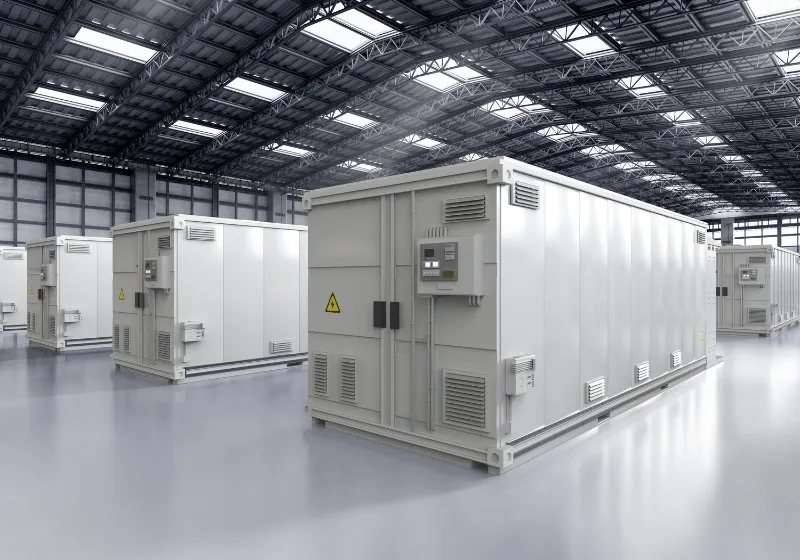
Commercial battery energy storage systems are a fundamental component in the transition to renewable energy. These systems allow for the efficient storage of electrical energy generated by renewable resources such as solar and wind farms. By capturing and storing electricity when generation exceeds demand, these systems can release energy when production falls short. This capability ensures a more consistent supply of electricity, which is crucial for both commercial and industrial applications. The systems are scalable, making them adaptable to different energy needs, from small businesses to large industries.
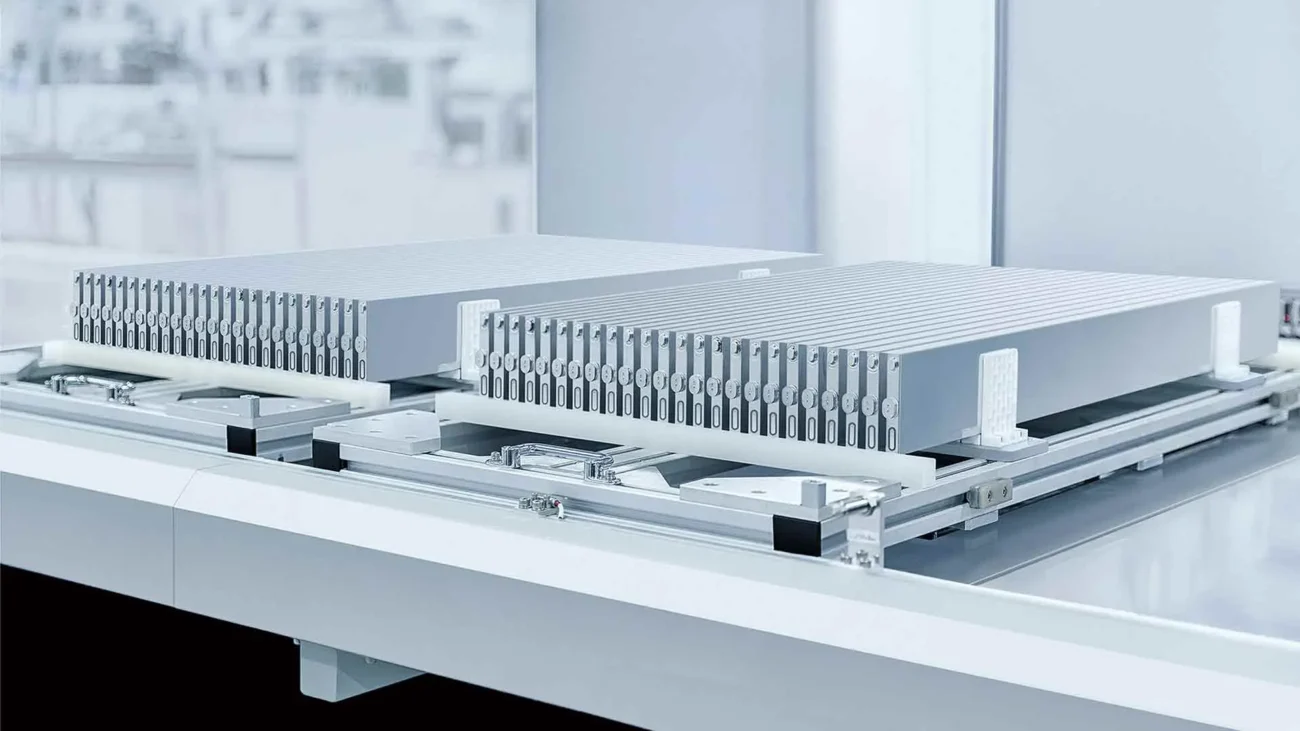
At the heart of these systems is the technology of the battery itself. Advanced lithium-ion and emerging technologies, like solid-state batteries, offer high energy density, efficient charge-discharge cycles, and long lifespan—qualities that are essential for minimizing energy loss and maximizing efficiency. Properly implemented, these batteries act as reservoirs, holding energy during times of surplus and releasing it when shortages occur. This operational flexibility is vital for industries looking to maintain steady, uninterrupted operations without succumbing to the whims of fluctuating power generation.
Overcoming the Intermittency of Renewable Energy
The inherent intermittency of renewable energy sources such as solar and wind is one of their primary drawbacks. However, this challenge can be mitigated by integrating commercial battery storage systems. These systems capture excess energy generated during peak production, such as sunny days or windy conditions, and store it for later use. This ability to bank energy ensures a continuous electricity supply even when natural generation is low, such as during nightfalls or calm days. By evening out the energy supply, battery storage systems allow for a more stable integration of renewables into the grid, reducing reliance on backup fossil-fuel power.
Moreover, energy storage promotes better resource management by enabling the timing of energy delivery to align more closely with consumption demands. This capability not only helps in preventing energy waste but also optimizes the distribution network, helping grids handle higher proportions of renewable energy. For instance, recent data illustrate how utilities maximize solar panels’ output throughout the evening peak demand without additional strain on the grid.
Enhancing Grid Stability and Resilience
Grid stability is a cornerstone of any reliable energy infrastructure, and commercial battery storage significantly enhances this aspect. By serving as a balancing force, these systems rapidly respond to fluctuations in supply and demand, thus maintaining equilibrium. This balancing act is critical during extreme weather events when energy supplies can be vulnerable due to disrupted transportation lines or downed transmission equipment. Battery storage’s capability to instantly deliver power ensures that essential functions and services remain unaffected.
In addition to providing basic stability, battery storage systems offer resilience and efficiency improvements. They assist in peak shaving, grid load leveling, and supply backup power during outages, addressing both short-term fluctuations and long-term supply continuity. Some utility companies also leverage these systems to deliver ancillary services like frequency regulation and voltage support, enhancing the overall reliability of the power supply network. As the deployment of renewable energy sources widens, battery systems will increasingly become linchpins of the modern electricity grid.
Supporting the Transition to Electrification
As the transportation and industrial sectors move toward electrification, the demand for dependable and sustainable energy sources rises, positioning commercial battery storage systems at the forefront of this shift. These systems ensure steady electricity availability, a prerequisite for the seamless operation of electric vehicles (EVs) and other electrified applications. By effectively bridging the gap between intermittent renewable generation and steady demand, battery storage devices significantly reduce reliance on fossil fuels, thereby fostering cleaner, greener energy landscapes.
Moreover, they bolster the infrastructure for e-mobility by providing managed power dispatch to avoid grid overloads during peak charging times. For businesses, deploying battery storage creates opportunities to engage in demand response and energy arbitrage programs. Storage-equipped establishments can purchase and store electricity during off-peak hours at reduced prices, then draw from it during peak times, maximizing cost efficiency. Furthermore, this trend towards electrification engenders job creation in both the production and installation of new energy technologies.
Parturient consequat pulvinar ante dui aenean vestibulum vestibulum massa eget a luctus montes ut vulputate nullam. Ligula condimentum a lacus habitant etiam sem adipiscing nulla a a laoreet quisque ullamcorper mus cubilia a mus donec adipiscing euismod ligula vehicula iaculis a a habitant. Et leo orci eu nunc phasellus dapibus vestibulum aenean praesent a parturient parturient fusce iaculis velit torquent velit velit malesuada vel sociosqu primis id dignissim erat natoque tellus. Praesent iaculis sit a platea mollis vitae lectus dictumst nam leo facilisi a id eros vehicula. Augue parturient arcu condimentum convallis turpis id consequat vestibulum vestibulum ullamcorper dignissim bibendum facilisi vulputate litora.